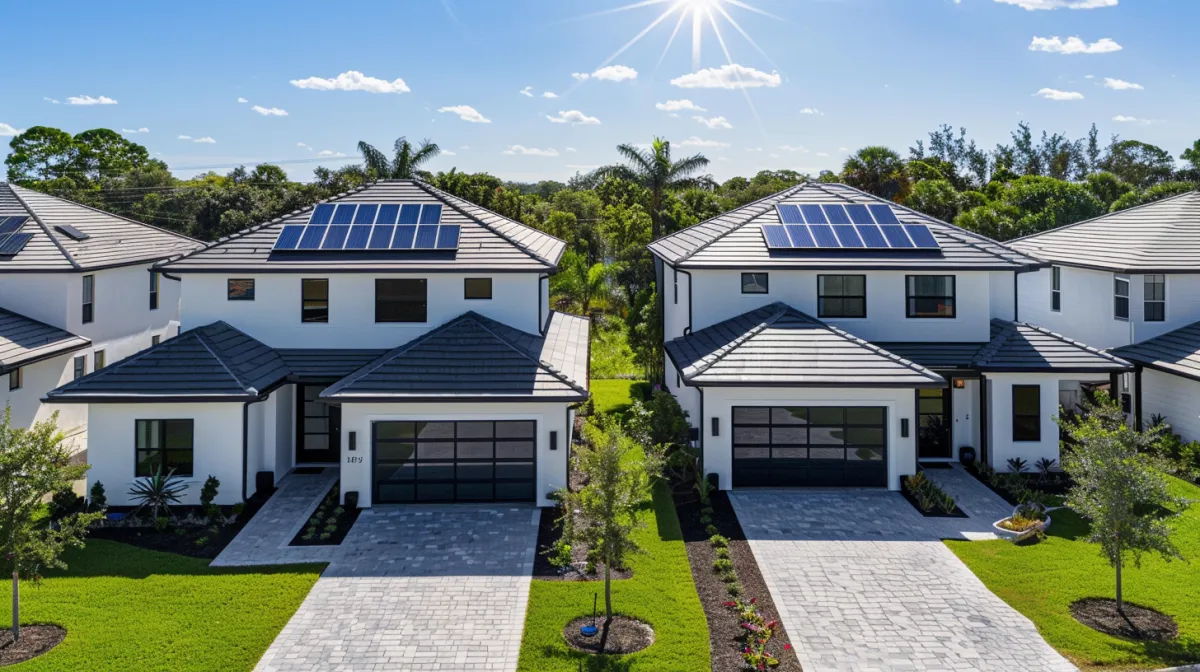
Solar System Size
Solar system size (kW) refers to the total power rating of your solar energy system, measured in kilowatts (kW).It represents how much electricity your system can produce at peak performance under ideal sunlight conditions. In simple terms, a higher kW rating usually means more solar panels and more potential energy production.
What Solar System Size (kW) Means for Your Home
Why it matters
Your solar system size determines how much electricity your system is designed to produce. The right size depends on your home’s energy usage, roof space, and local utility rules.
For example:
A 6 kW system has a lower production capacity than a 10 kW system.
Larger homes with higher energy use typically require larger systems.
Smaller homes may need fewer panels and a lower kW rating.
Choosing the correct system size is critical. It ensures your solar installation matches your energy needs without being too small or unnecessarily oversized.
How it affects savings
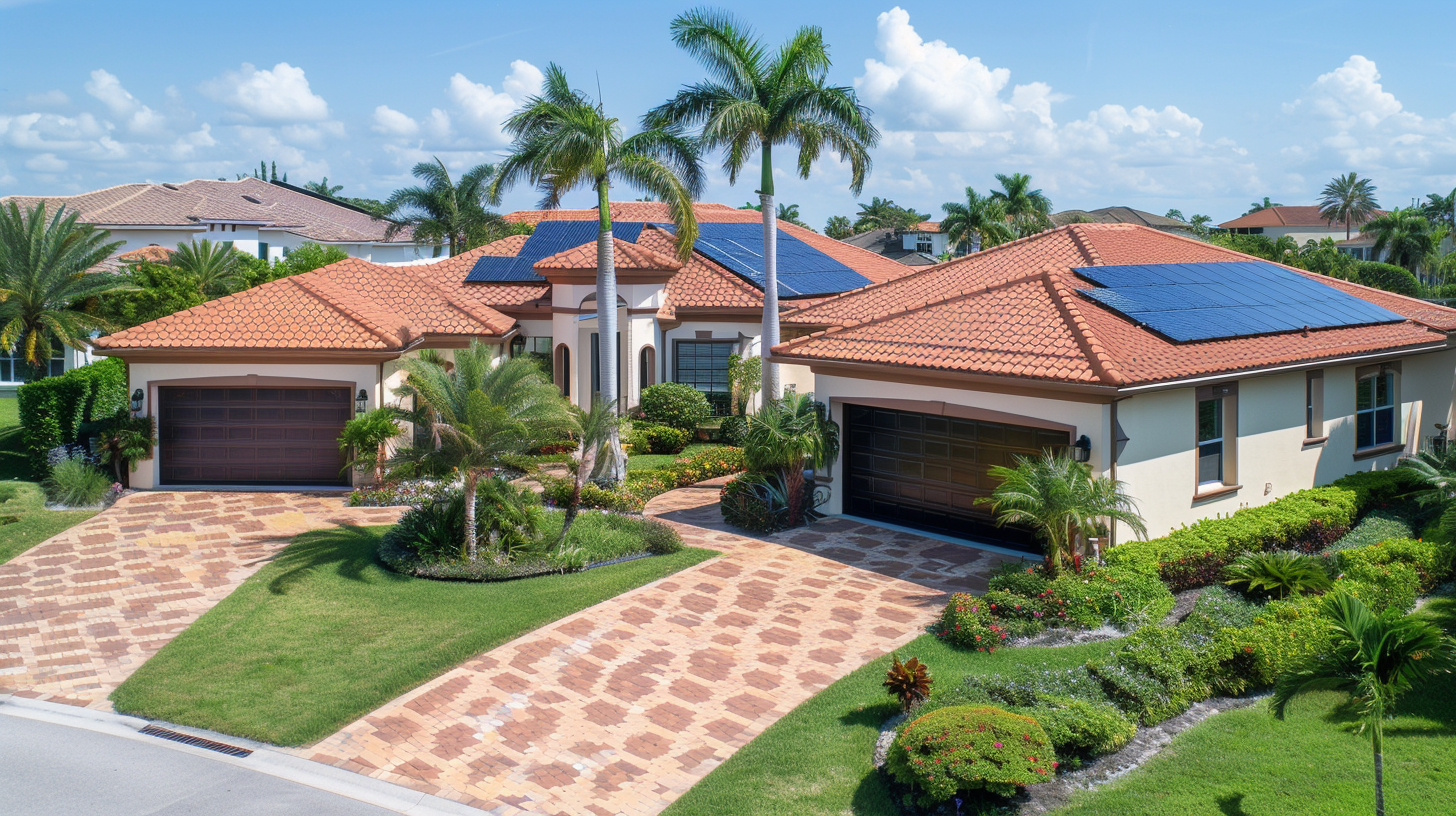
Solar system size directly impacts your long-term savings. A larger kW system can:
Produce more electricity
Offset a greater portion of your utility bill
Reduce reliance on the grid
However, system size must align with:
Your actual energy consumption
Local utility export policies
Roof space and sun exposure
If your system is too small, it may not offset enough of your monthly bill. If it’s too large, utility rules may limit how much excess energy you can export or credit. That’s why professional system sizing is essential. Proper design ensures your kW rating supports realistic production estimates and optimized savings.
Where it shows up in the process
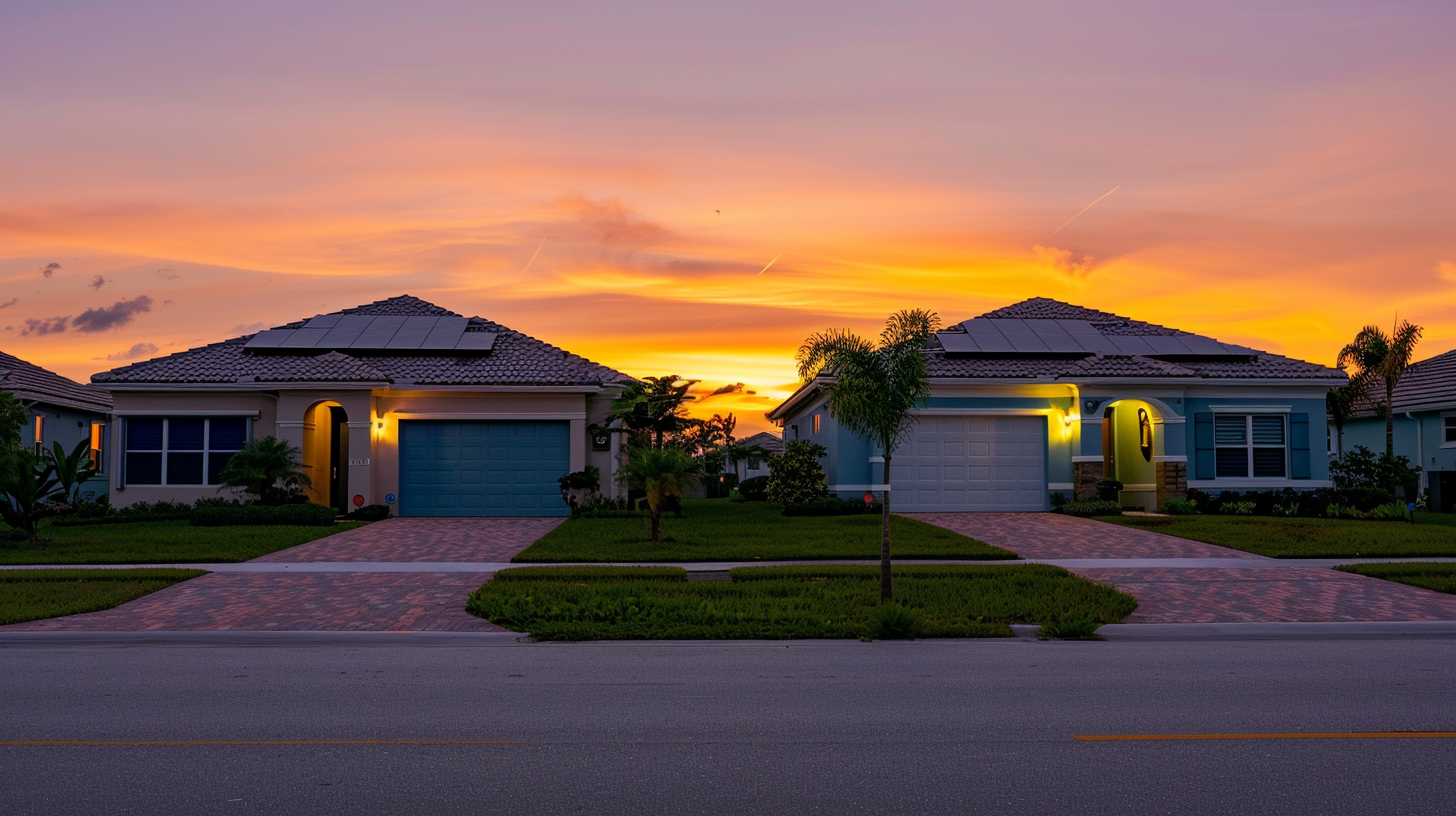
You’ll see solar system size (kW) in multiple stages:
Consultation: Your energy specialist reviews 12 months of utility usage to estimate the recommended system size.
Proposal: Your custom solar proposal clearly lists the total system size in kilowatts (kW), along with projected annual energy production (kWh).
Permitting & Utility Approval: The kW rating is included in official documentation submitted for approval.
Installation: The number of panels installed directly determines your final system size.
Where You’ll See This in Your Solar Project
During system design, Soligo engineers calculate your ideal solar system size based on historical energy usage, roof layout, shading analysis, and local regulations. The final kW rating reflects the total combined output of all installed panels.
That size determines your projected annual production and estimated bill offset. Once approved and installed, your system operates at its rated capacity under peak sunlight conditions.
Soligo ensures your solar system size is engineered to balance production, cost efficiency, and compliance with utility requirements.
Have questions about your Solar System Size? Speak with a Soligo Energy specialist today.
