Solar Panels
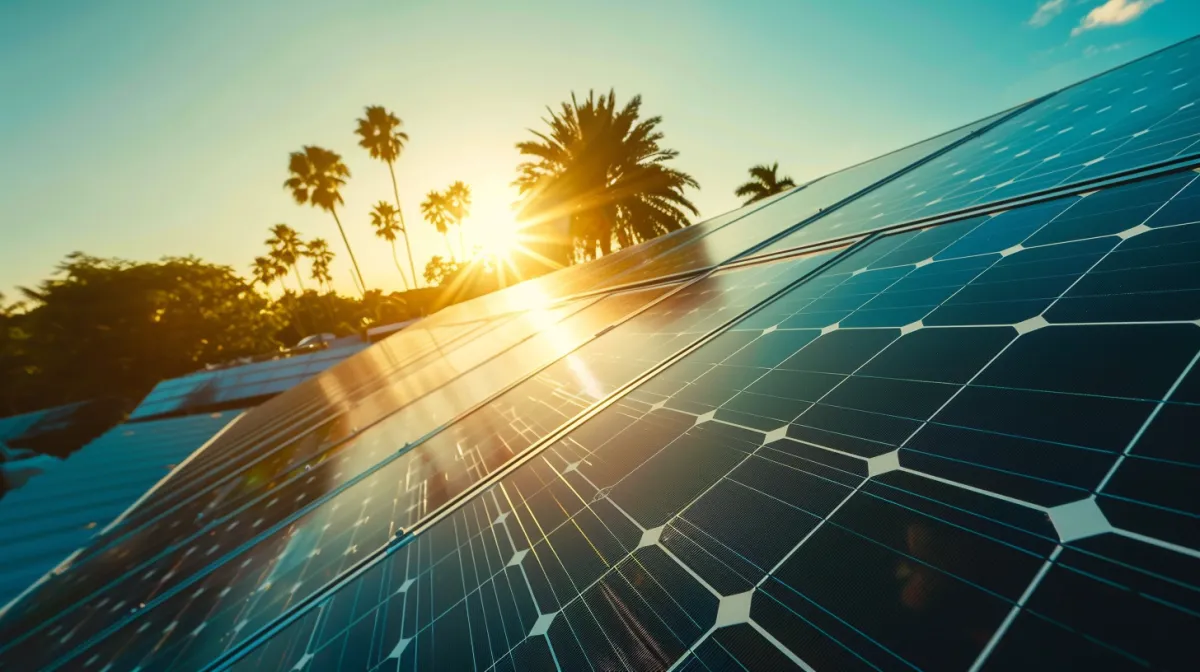
Solar panels are photovoltaic (PV) modules that convert sunlight into electricity. These panels are the visible part of a solar energy system and are commonly installed on rooftops or ground-mounted structures. They work together with inverter(s) to produce usable power for your home.
When homeowners talk about “getting solar panels,” they’re referring to installing PV modules that generate electricity from sunlight.
What Solar Panels Mean for Your Home
Why it matters
Solar panels are the core energy-producing component of your system. Without them, there is no solar power generation.
Each panel contains photovoltaic cells that absorb sunlight and convert it into direct current (DC) electricity. That electricity then flows to an inverter, which converts it into alternating current (AC) electricity that your home can use.
For homeowners, solar panels mean:
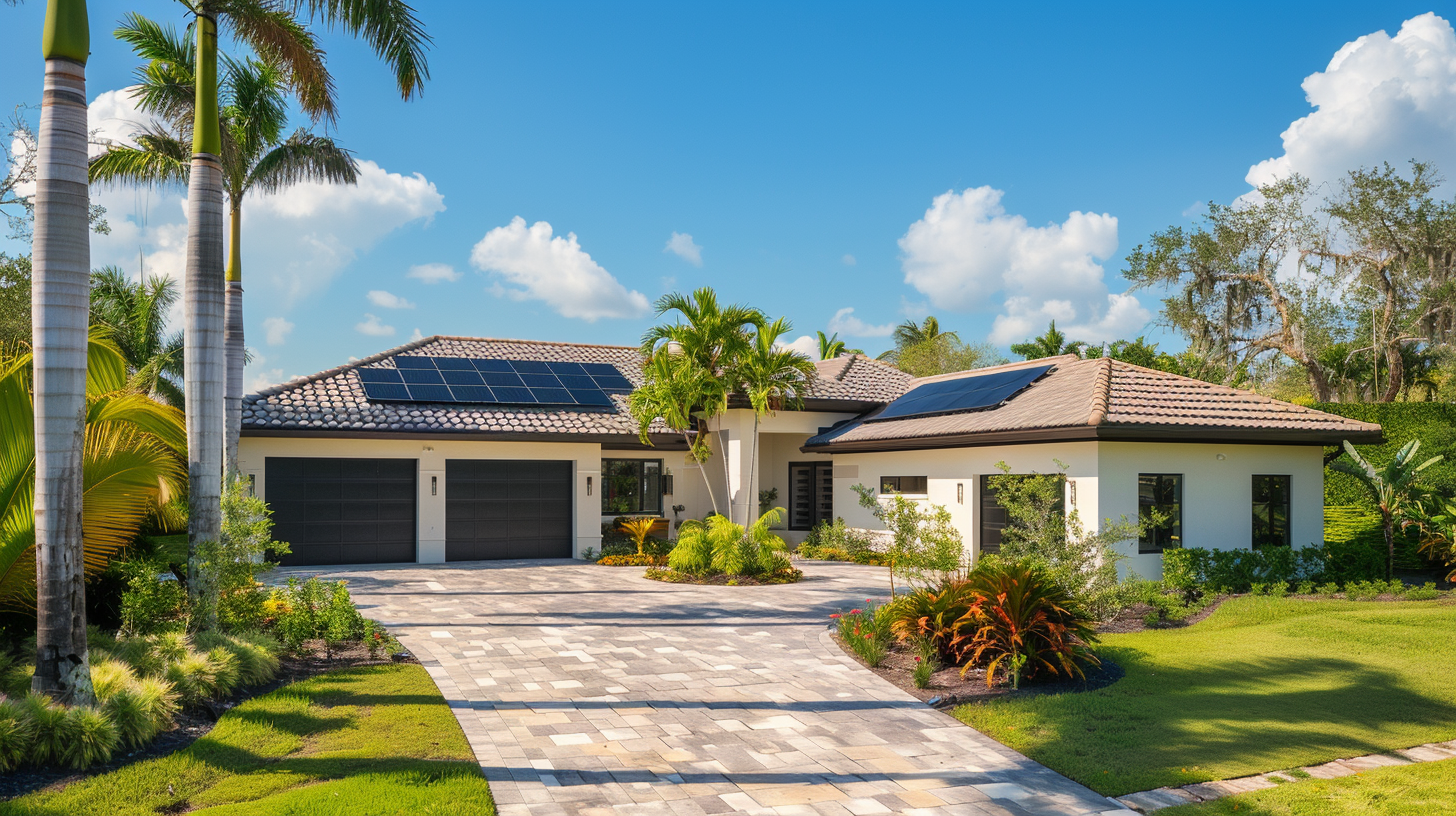
Your roof can generate its own electricity
Less reliance on the utility company
Greater control over rising energy costs
Clean, renewable energy for daily living
They turn unused roof space into a long-term energy asset.
How it affects savings
The number and efficiency of your solar panels directly impact how much electricity your system can produce.
Savings depend on:
The total number of panels installed
The system size (measured in kilowatts or kW)
Sun exposure on your roof or property
Your home’s energy usage
More production means more electricity offset — and less purchased from the grid.
High-quality solar panels are designed to last 25+ years, providing long-term energy production. Because solar panels qualify as renewable energy equipment, they may also be eligible for federal tax incentives and other available programs.
Where it shows up in the process
You’ll encounter solar panels (PV) at several stages:
Consultation: Your energy specialist evaluates your roof’s size, angle, and sunlight exposure to determine panel placement.
Proposal: Your custom design shows how many solar panels are recommended and where they will be installed.
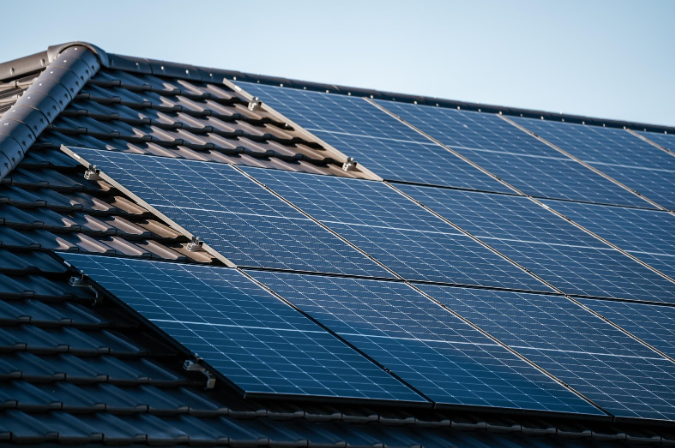
Installation: Certified installers mount the panels securely using approved racking systems and connect them to inverter(s).
Inspection & Activation: After final inspections and utility approval, your panels begin generating electricity.
Where You’ll See This in Your Solar Project
Solar panels are central to your system design. Soligo engineers analyze your roof layout and sun exposure to determine the optimal number and placement of panels. The goal is to maximize production while maintaining structural integrity and clean aesthetics.
During installation, trained crews secure the panels to your roof or ground mount system, properly seal all penetrations, and complete electrical connections to the inverter and main service panel. Once approved by inspectors and your utility company, your solar panels begin producing clean electricity for your home.
Soligo handles the design, permitting, structural review, and utility coordination to ensure your solar panels are installed safely and professionally.
Have questions about Solar Panels? Speak with a Soligo Energy specialist today.
