Solar Installer
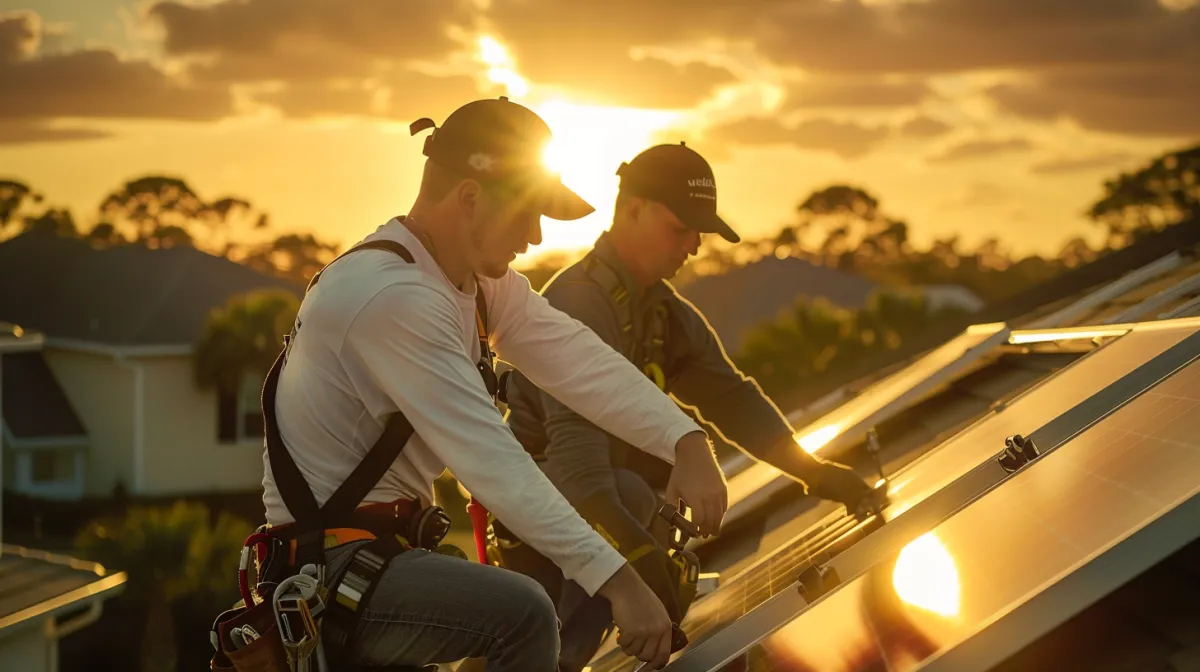
A solar installer is the team that physically installs your solar system on your home. They handle mounting the panels, running electrical wiring, setting up inverter(s), and connecting all required equipment.
While the solar contractor oversees the full project, the solar installer performs the hands-on work that brings the system to life.
What a Solar Installer Means for Your Home
Why it matters
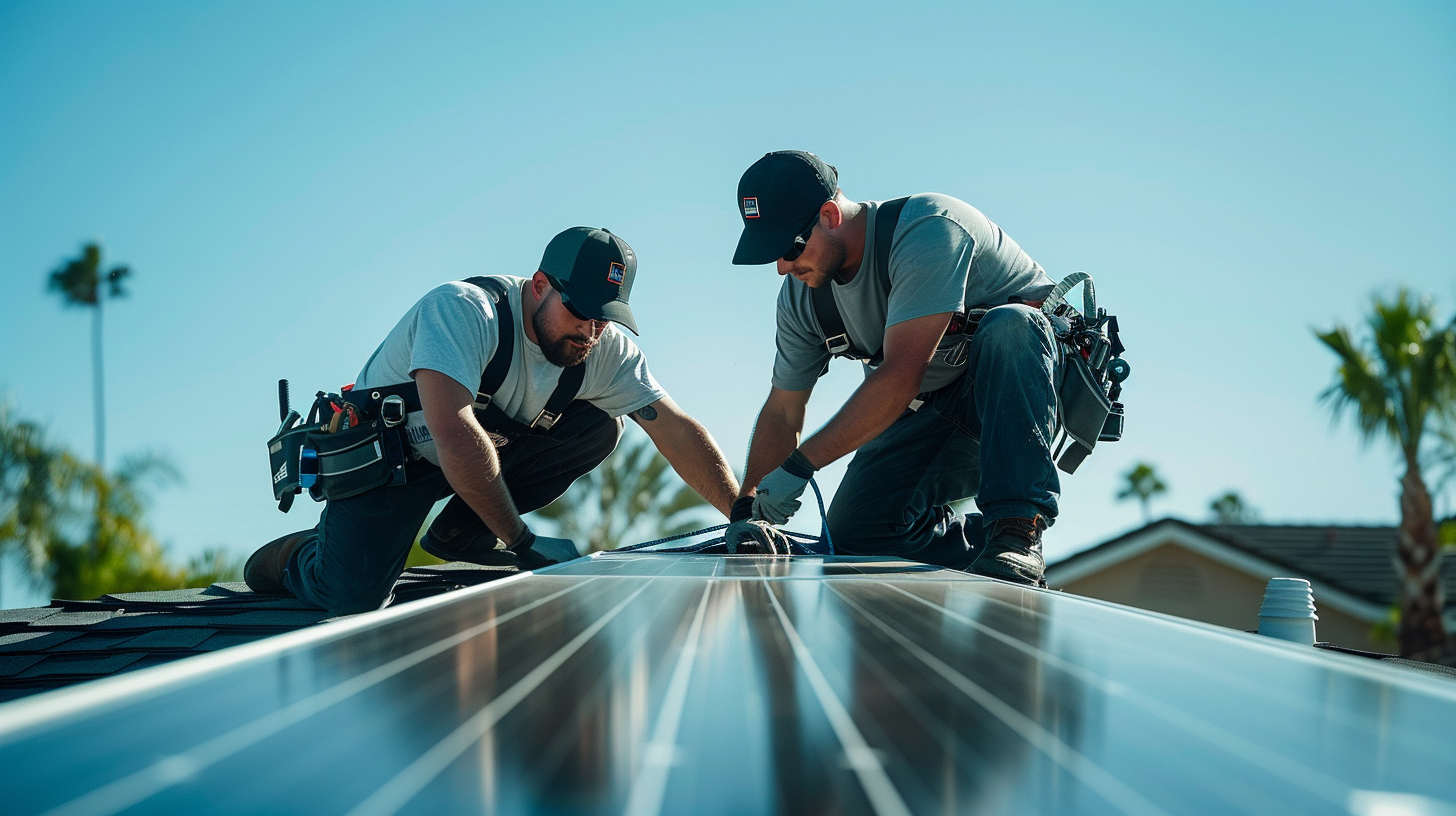
Installing solar involves structural mounting and electrical integration. A trained solar installer ensures your system is installed safely, securely, and according to engineered plans.
Solar installers are responsible for:
Mounting panels and racking systems
Securing roof penetrations properly
Running wiring and conduit
Installing inverter(s) and disconnects
Integrating the system into your main electrical panel
Preparing the system for inspection
Proper installation protects your roof, electrical system, and long-term performance.
How it affects savings
The quality of installation directly impacts solar energy production and system reliability.
Several factors influence performance:
Accurate panel placement
Clean electrical connections
Proper inverter configuration
Secure racking and waterproofing
Compliance with design specifications
A professionally installed system can:
Maximize annual solar production
Maintain strong system efficiency
Reduce risk of performance issues
Support stronger long-term savings
Poor installation can reduce output, cause delays in approval, or lead to service calls — which may impact projected savings.
Where it shows up in the process
Installation Scheduling: The solar installer team is assigned after permits are approved.
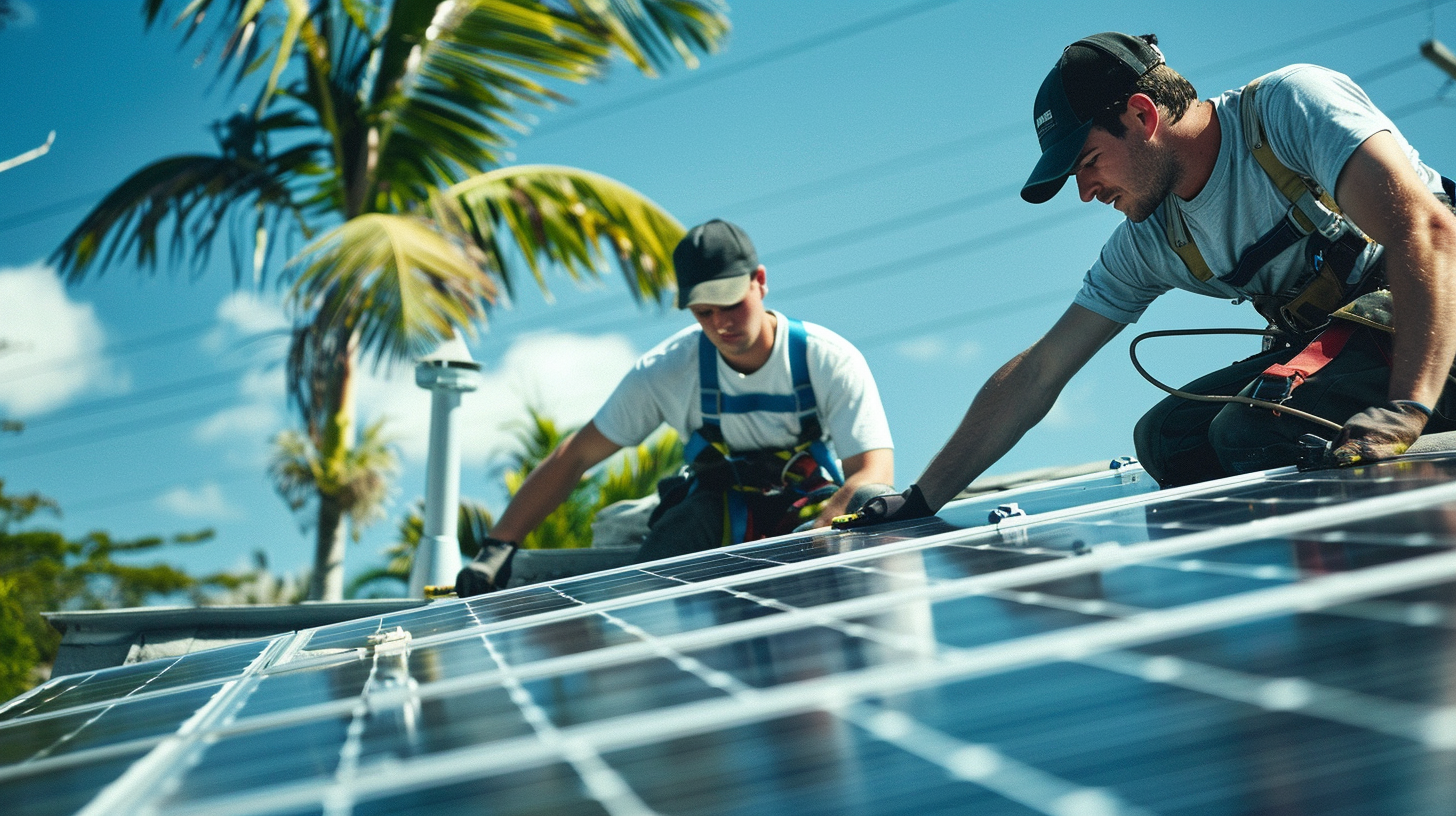
Installation Day(s): Panels are mounted, wiring is completed, and equipment is installed.
System Commissioning: The installer verifies system functionality before inspection.
Inspection & PTO: The system is prepared for city inspection and utility activation.
Where You’ll See This in Your Solar Project
Once permits are approved and materials are delivered, Soligo schedules installation. On installation day, trained solar installers mount panels, secure racking, connect inverter(s), and integrate the system with your electrical panel.
After completing installation, the system moves to inspection and Permission to Operate (PTO). Once approved, your solar system begins generating electricity.
Soligo works with professional solar installers to ensure every system is installed safely, efficiently, and according to engineered standards.
Have questions about Solar Installers or the installation process? Speak with a Soligo Energy specialist today.
