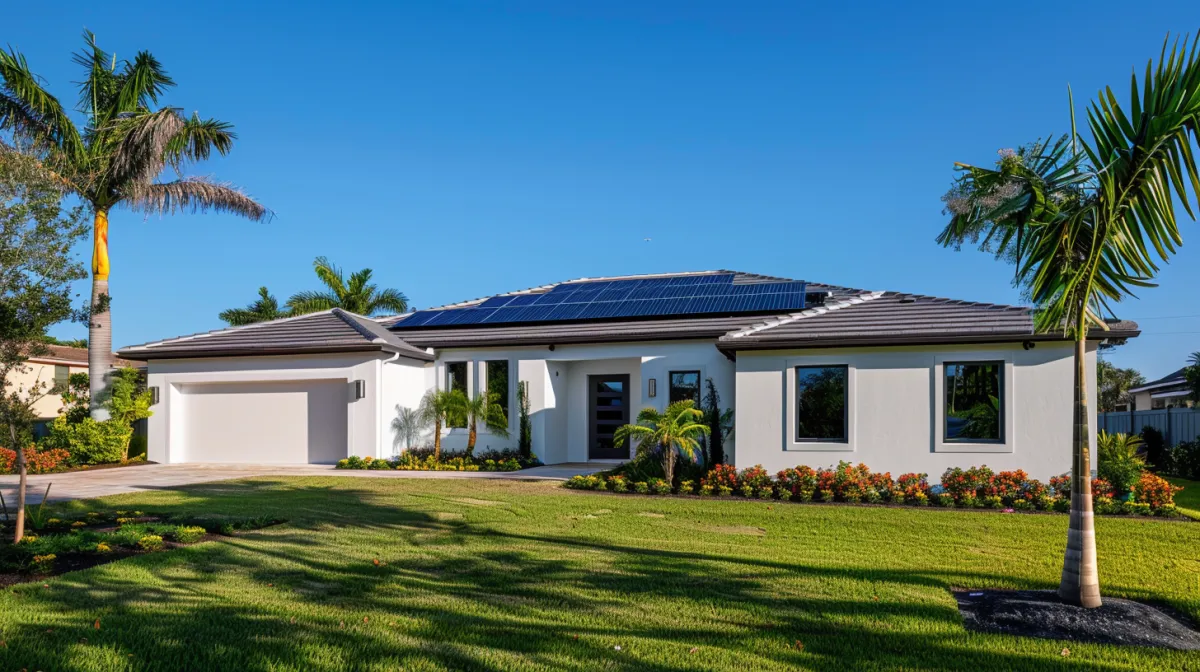
Rooftop Array
A rooftop array is the solar panel “array” installed on your roof — one or more groups of panels wired together to work as a single system. Instead of individual panels operating separately, the rooftop array combines them into a coordinated setup designed to generate electricity for your home.
When you look up and see solar panels covering part of a roof, that entire grouped installation is the rooftop array.
What Rooftop Array Means for Your Home
Why it matters
Your rooftop array is the main energy-producing portion of your solar system. It uses available roof space to convert sunlight into usable electricity.
A rooftop array may include:
One continuous section of panels
Multiple panel groups across different roof planes
Panels placed on different roof faces to maximize sunlight
The layout depends on roof direction, tilt, shading, and available surface area.
By using your existing roof structure, rooftop arrays avoid many of the additional construction costs associated with ground-mounted systems.
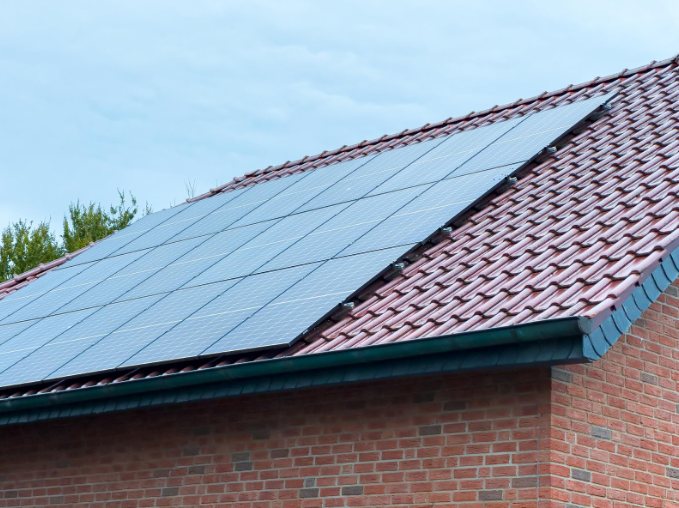
How it affects savings
The size and placement of your rooftop array directly affect how much electricity your system produces.
Several factors influence performance:
Number of panels installed
Panel wattage ratings
Roof direction (azimuth)
Roof tilt (pitch)
Shading conditions
A properly designed rooftop array can maximize annual energy production (kWh), which directly impacts how much of your electric bill you offset.
Because rooftop systems avoid trenching, ground foundations, and added structural materials, they often deliver stronger overall financial efficiency compared to ground-mounted systems.
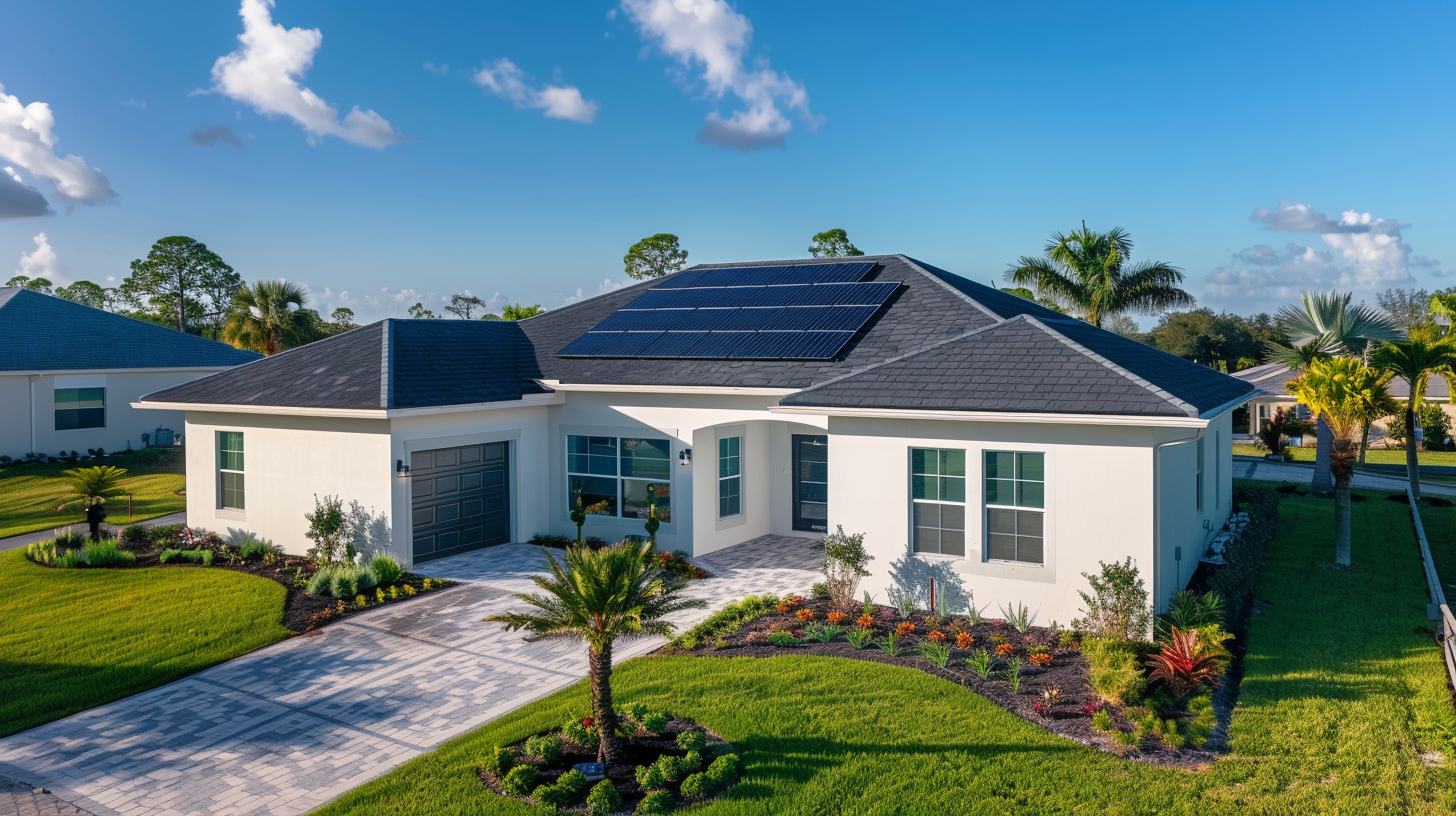
Where it shows up in the process
Consultation: Your Energy Consultant evaluates your roof layout and sunlight exposure.
Proposal Review: Your design shows the rooftop array layout and total system size (kW).
Site Survey (SS): Technicians confirm measurements and roof conditions in person.
Installation: Installers mount and wire panels together to form the rooftop array.
Where You’ll See This in Your Solar Project
During system design, Soligo engineers analyze each roof plane to determine the optimal rooftop array configuration. Advanced modeling tools account for roof direction, tilt, shading, and regional sunlight data.
During installation, trained crews securely mount the panels, seal all roof penetrations properly, and connect the array to the inverter and electrical panel. After inspection and Permission to Operate (PTO), your rooftop array begins generating electricity.
Soligo ensures your rooftop array is engineered for safety, performance, and long-term durability.
Have questions about a Rooftop Array? Speak with a Soligo Energy specialist today.
