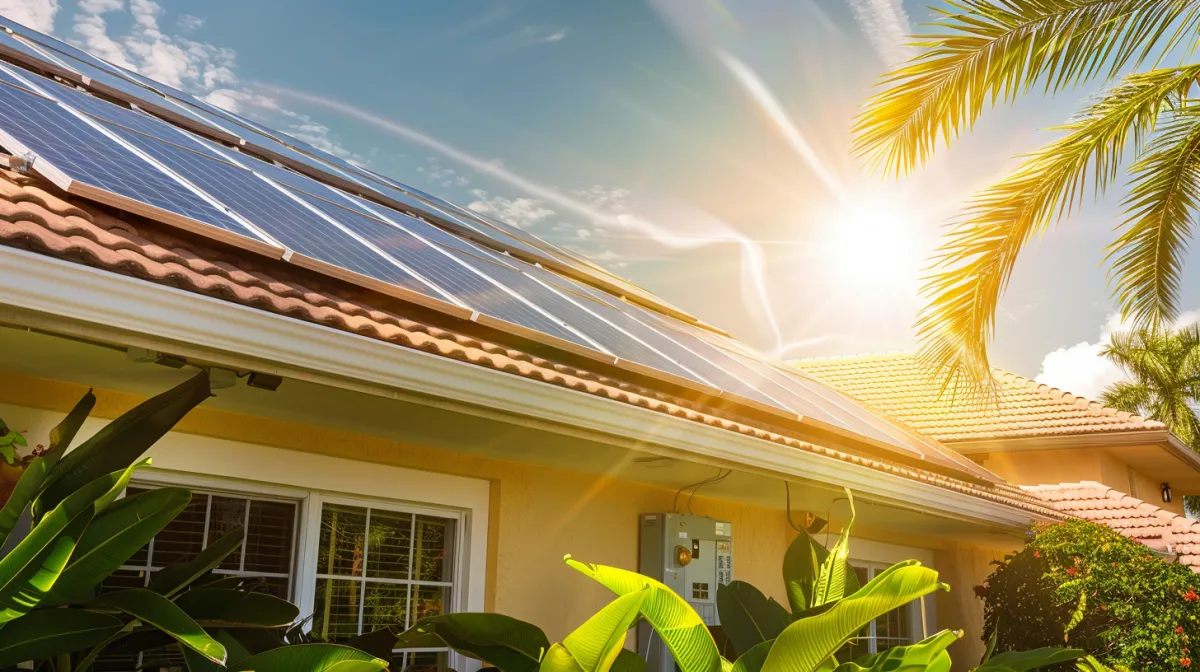
Photovoltaic (PV)
Photovoltaic (PV) refers to the process of converting sunlight into electricity using solar cells. The word “photovoltaic” combines “photo” (light) and “voltaic” (electricity) — meaning light-powered electricity. When you see the term PV in a solar proposal, it simply describes the technology that turns sunlight into usable power for your home.
What Photovoltaic (PV) Means for Your Home
Why it matters
Photovoltaic technology is what makes modern solar systems possible. Without PV technology, solar panels would not be able to generate electricity.
For homeowners, PV technology means:
Your roof can produce real, usable electricity
Sunlight becomes a working energy source for your home
You reduce reliance on your utility company
When you install solar, you are installing a photovoltaic system. Every time the sun hits your panels, the PV cells inside them begin generating electricity automatically — no moving parts, no fuel, and no noise.
How it affects savings
Photovoltaic (PV) technology directly determines how much electricity your system can produce. The more efficient the PV cells and the better the system design, the more power your home can generate.
Here’s how PV impacts your financial results:
Reduces your monthly electric bill by producing your own power
Improves system efficiency when high-quality panels are used
Determines system size, measured in kilowatts (kW)
Qualifies for federal solar tax incentives, since PV systems meet renewable energy requirements
Because PV systems generate electricity from sunlight, they help offset the energy you would otherwise purchase from the grid. Over time, that production can create significant long-term savings.
Where it shows up in the process
You’ll see the term Photovoltaic (PV) throughout your solar journey:
Consultation: Your energy specialist may refer to your system as a “PV system” when explaining how solar works.
Proposal: Your customized design will list system size in kW, which represents the total photovoltaic capacity of your panels.
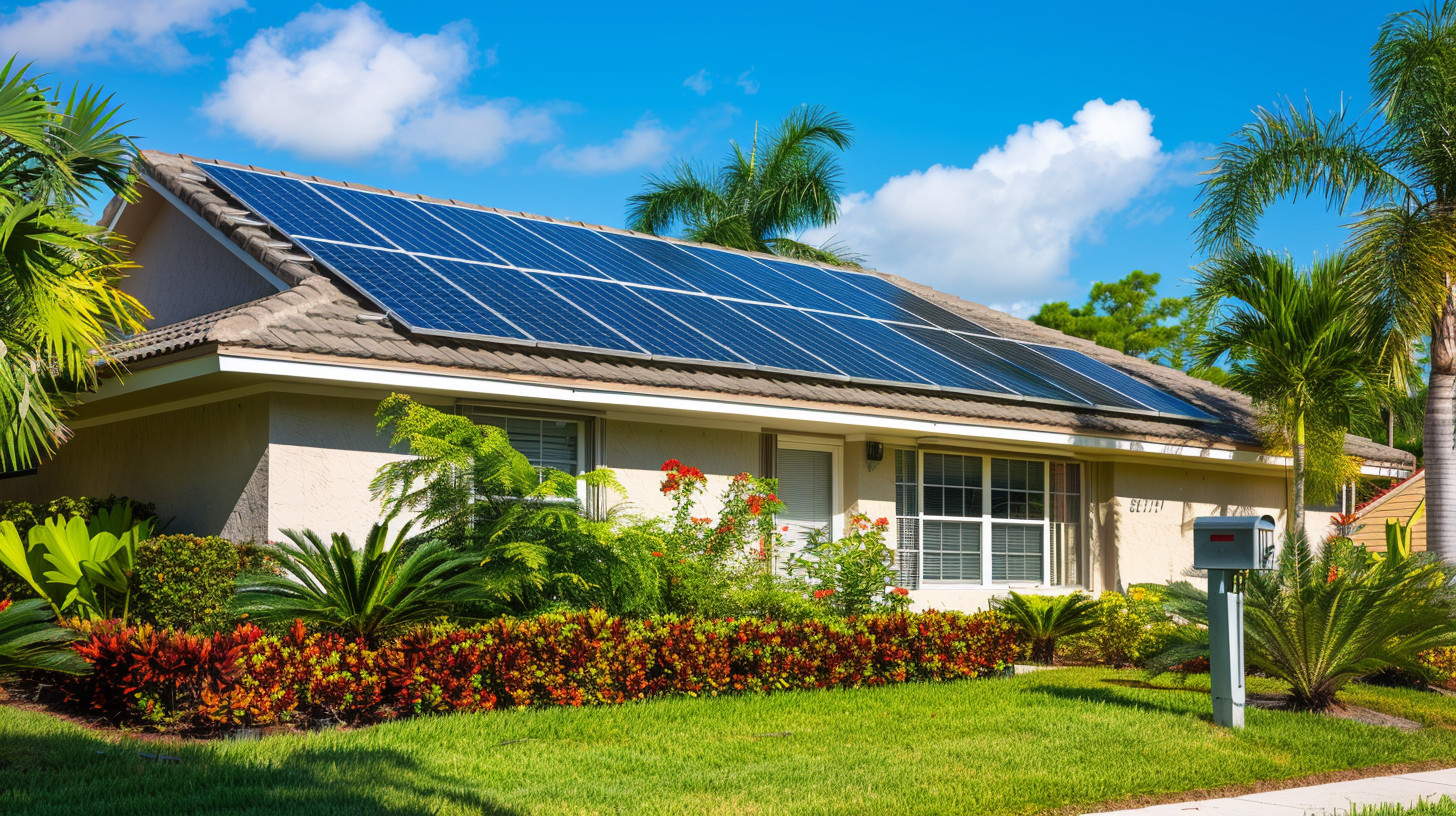
Equipment: Solar panels are often labeled as PV modules, meaning they contain photovoltaic cells.
Utility Approval: Your system will be registered as a residential photovoltaic system during permitting and interconnection.
Where You’ll See This in Your Solar Project
Photovoltaic (PV) technology is the foundation of your entire system. During the design phase, Soligo engineers calculate how much PV capacity your home needs based on your electricity usage, roof space, and sun exposure. That determines the number of panels required and your projected energy production.
During installation, the photovoltaic panels are mounted securely, wired to inverters, and connected to your electrical panel. After inspections and utility approval, your PV system begins converting sunlight into power for your home.
Soligo handles the engineering, permitting, and installation to ensure your photovoltaic system operates safely, efficiently, and in full compliance with local regulations.
Have questions about Photovoltaic (PV)? Speak with a Soligo Energy specialist today.
