Grid-Tied Solar + Battery
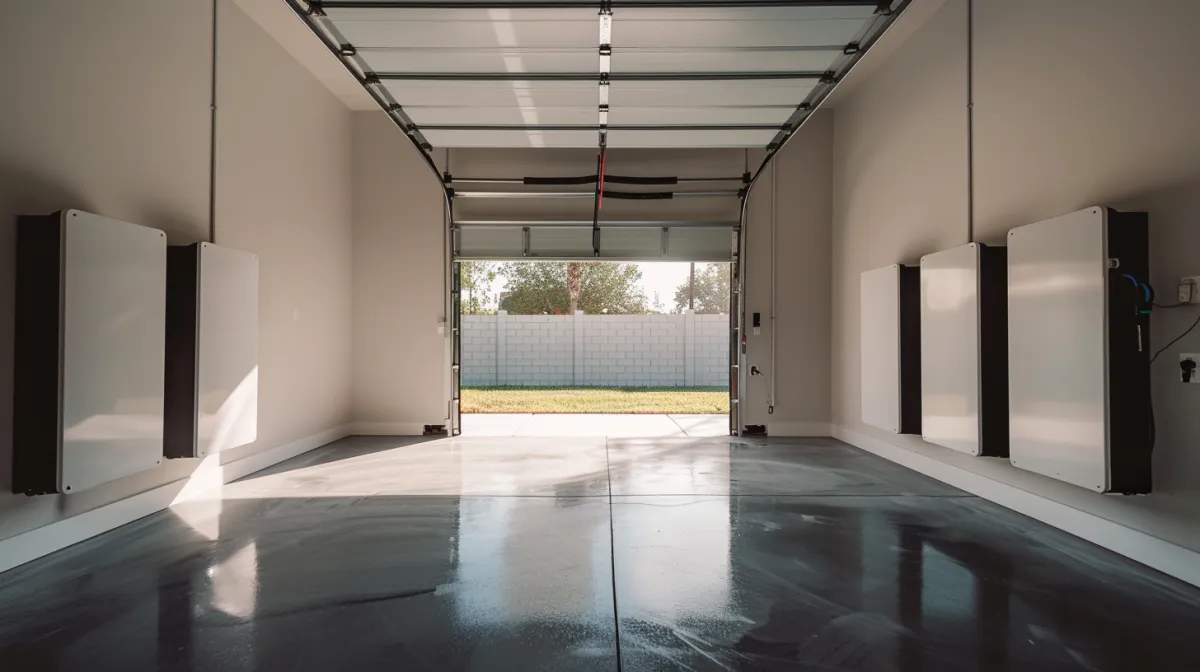
Grid-tied solar + battery refers to a grid-connected solar system that also includes a home battery. Your solar panels power your home first, the battery stores excess energy for later use, and the utility grid provides backup when needed.
This setup combines energy production, storage, and grid reliability into one integrated system.
What Grid-Tied Solar + Battery Means for Your Home
Why it matters
A standard grid-connected solar system sends excess energy back to the utility grid. When you add a battery, some of that extra energy can be stored at your home instead of being exported.
Here’s how it works:
During the day, solar panels generate electricity.
Your home uses solar power first.
Extra production can charge your battery.
At night or during outages, your home can draw from the battery.
If more power is needed, the grid provides support.
This setup offers more control over when and how you use your solar energy.
How it affects savings
Adding a battery can help optimize savings depending on your utility structure.
Several factors influence the financial impact:
Time-of-use (TOU) electricity rates
Net metering or export credit policies
Frequency of power outages
Your home’s energy usage patterns
Battery size and capacity
In areas with time-based rates, you can store lower-cost solar energy during the day and use it later when electricity prices are higher. In areas with limited export credits, storing energy instead of sending it to the grid may improve overall savings.
While batteries increase total system cost, they can add value through backup protection and improved energy management.

Where it shows up in the process
Consultation: Your Energy Consultant reviews your utility plan and outage history to determine if a battery is beneficial.
Proposal Review: Your design includes battery capacity, energy flow modeling, and estimated savings impact.
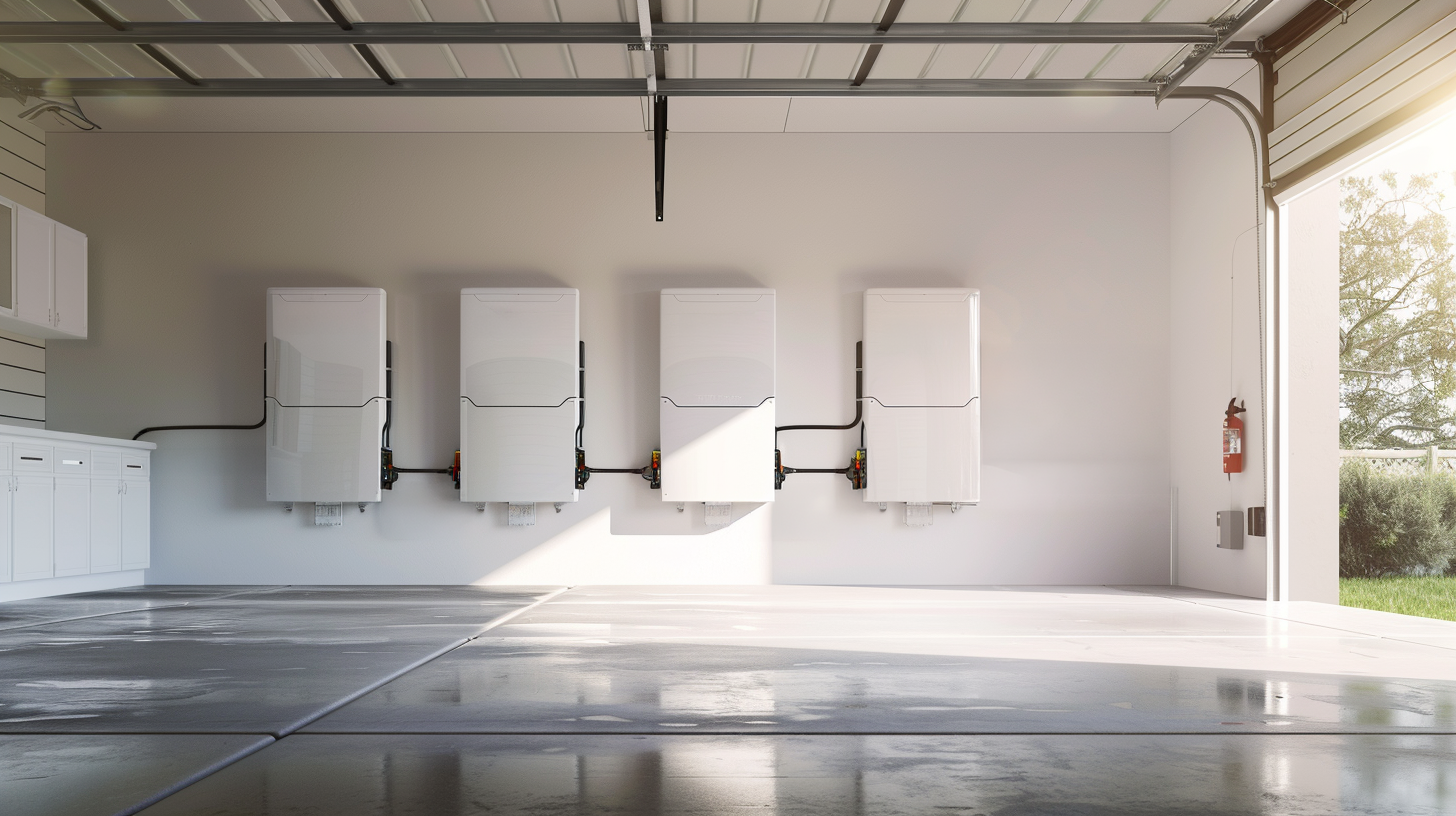
Installation: The battery is mounted (often in a garage or exterior wall) and integrated with your inverter and electrical panel.
Utility Approval: The system must meet interconnection requirements before activation.
Where You’ll See This in Your Solar Project
During system design, Soligo engineers evaluate whether adding a battery improves your energy strategy based on your location and utility policies. Production modeling may include scenarios that show how stored energy can reduce peak grid usage.
During installation, the battery is securely mounted and connected to your solar inverter and electrical panel. After inspection and utility approval, your system is activated to prioritize solar production, battery charging, and grid interaction.
Soligo ensures your grid-tied solar + battery system is engineered for safety, compliance, and efficient long-term performance.
Have questions about Grid-Tied Solar + Battery? Speak with a Soligo Energy specialist today.
