
Grid-Connected Solar
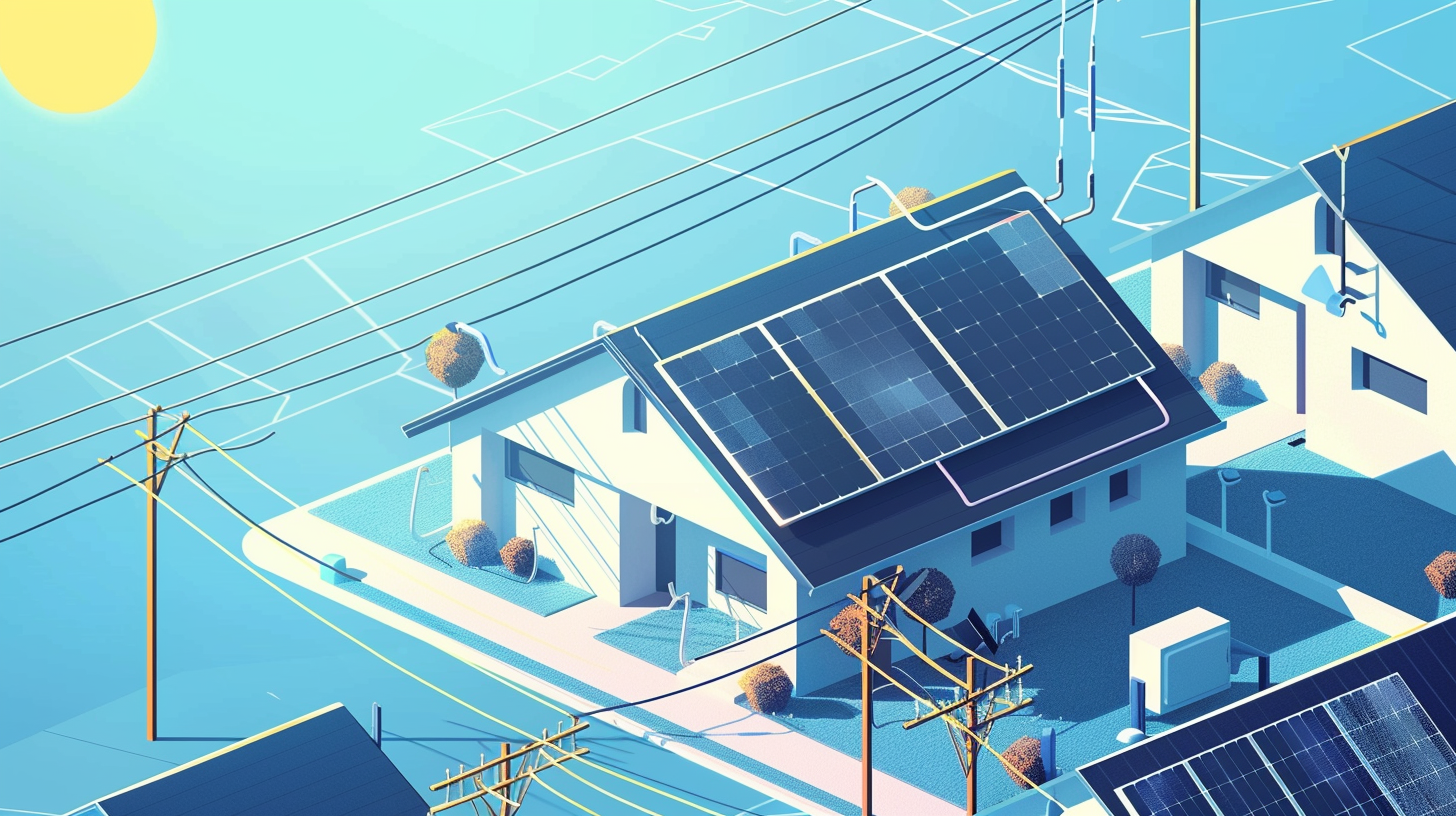
Grid-connected solar is another term for grid-tied solar. It describes a solar energy system that is connected to your local utility grid. Your home uses solar power first, and when your system produces more energy than you need, it may export that excess electricity back to the grid (when allowed by your utility provider).
This is the most common type of residential solar setup in the U.S.
What Grid-Connected Solar Means for Your Home
Why it matters
A grid-connected solar system allows your home to generate its own electricity while staying connected to the utility company for backup support.
Here’s how it works in simple terms:
During sunny hours, your solar panels produce electricity.
Your home uses that solar power first.
If you produce more than you use, extra power may flow back to the grid.
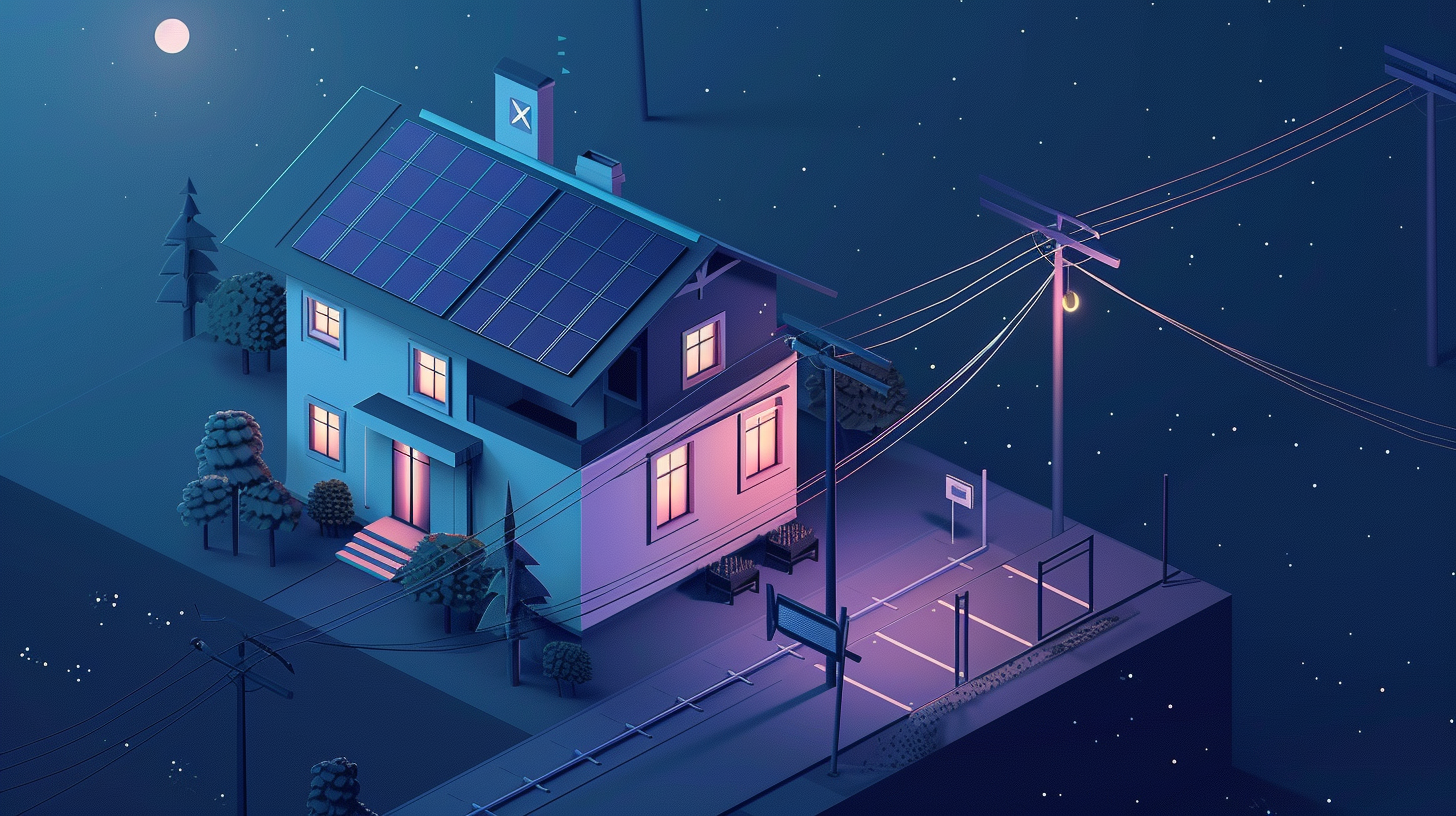
At night or during low production, your home automatically pulls power from the grid.
This connection ensures your home has reliable electricity 24/7 without needing to operate independently.
How it affects savings
Grid-connected solar reduces your electric bill by offsetting the amount of electricity you purchase from the utility company.
Savings depend on:
Your system size (measured in kilowatts or kW)
Your home’s total energy usage
Local utility rules regarding energy credits
In areas where utilities allow it, excess energy sent to the grid may generate bill credits. These credits can help offset the cost of electricity used when your solar system isn’t producing, such as at night.
Because grid-connected systems typically do not require batteries to function, they are often more cost-effective compared to fully off-grid systems.
Where it shows up in the process
You’ll encounter the term grid-connected solar in several parts of your project:
Consultation: Your energy specialist explains how your system will stay connected to the utility grid for reliability.
Proposal: Your custom solar design includes details about system interconnection and estimated energy export.
Installation: Installers connect your solar system to your home’s electrical panel and meter.
Utility Approval (Interconnection): Before activation, your utility provider must review and approve the system, granting permission to operate (PTO).
Where You’ll See This in Your Solar Project
Grid-connected solar is the standard configuration for most Soligo Energy installations. During the design phase, engineers calculate expected production and prepare the necessary interconnection paperwork required by your utility company.
After installation and inspection, your system is officially connected to the grid. Once your utility grants approval, your system begins generating electricity for your home and, when permitted, exporting excess energy back to the grid.
Soligo handles permitting, inspections, and all coordination with your utility provider to ensure your grid-connected solar system operates safely and compliantly.
Have questions about Grid-Connected Solar? Speak with a Soligo Energy specialist today.
