Call or Text Us Today:


Blog
Our Mission
Shines Through Our Stories
Your go-to source for inspiration, information, and innovation in the world of solar solutions.

System Efficiency
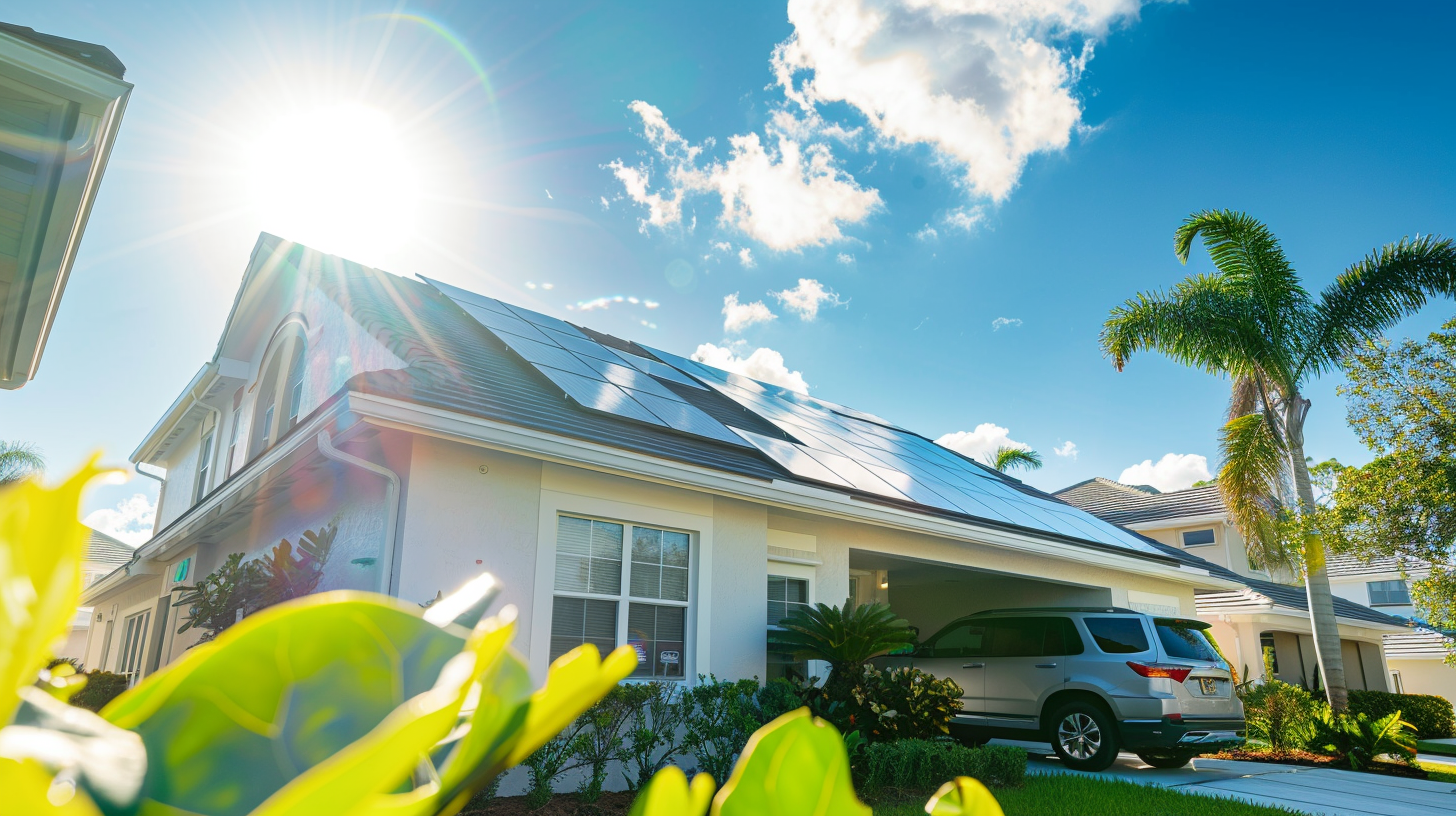
System efficiency is a broad term that describes how well your full solar setup performs. It measures how effectively all components — including panels, inverter(s), wiring, and site conditions — work together to convert sunlight into usable electricity.
Instead of focusing on just one piece of equipment, system efficiency looks at the overall performance of the entire solar installation.
What System Efficiency Means for Your Home
Why it matters
Even high-quality panels cannot perform at their best if other parts of the system are not optimized. System efficiency reflects how the complete setup functions under real-world conditions.
Several elements influence system efficiency:
Solar panel quality and technology
Inverter conversion performance
Electrical wiring and connections
Roof direction and tilt
Shading exposure
Temperature and climate conditions
Installation workmanship
If one part of the system underperforms, it can reduce total energy production.
How it affects savings
System efficiency directly impacts solar energy production (kWh), which determines how much of your utility bill can be offset.
Several factors influence your system’s overall performance:
Equipment selection
Site-specific sunlight exposure
Shading and obstruction analysis
Climate conditions
Quality of installation
Higher system efficiency can:
Increase annual solar production
Improve solar system output
Strengthen long-term savings
Support stronger solar return on investment (ROI)
Lower efficiency may slightly reduce production and impact projected savings. That’s why engineering precision and proper installation matter.

Where it shows up in the process
Consultation: Your Energy Consultant explains how full-system performance is evaluated.
Modeling & Engineering: Advanced software analyzes roof layout, shading, and equipment specifications.
Proposal Review: Production estimates reflect realistic system efficiency assumptions.
Monitoring: After activation, you can track system output to confirm performance.
Where You’ll See This in Your Solar Project
During system design, Soligo engineers analyze every part of your solar setup — from panel placement to inverter selection — to optimize overall system efficiency. Modeling tools account for shading, tilt, direction, and local sunlight data.
Once installed and activated, your monitoring platform tracks solar energy production and overall system output. This allows you to confirm your system is operating as expected.
Soligo focuses on complete-system engineering, not just individual components, to ensure strong long-term performance and reliable solar energy production.
Have questions about System Efficiency? Speak with a Soligo Energy specialist today.

Start Your Soligo Solar Project
Join The Solar Revolution!
Is your roof ready for a day job? Transform your empty roof into a solar powerhouse today!
Join the Conversation
Make Your Voice Matter
Engage with us on social media and be part of the discussion that’s shaping a sustainable future. We're not just a company; we're a movement. With over a decade of industry expertise, our leadership team is committed to integrity, innovation, and global impact. Join us on this journey as we empower homes across America with the sun!
Soligo Newsletter
Subscribe For Breaking Solar News
Get updated about the most recent
updates for your solar system.
Headquarter
6752 Curtis Street
Azalea Park, FL 32807
Contact
Review Us
Follow Us


© Copyright 2026. PJWD Energy LLC DBA Soligo. All rights reserved.
Licenses: CGC1540005 | EC13012687 | CCC1334189
© Copyright 2026. PJWD Energy LLC DBA Soligo. All rights reserved.
Licenses: CGC1540005 | EC13012687 | CCC1334189 | CAC1823002