Call or Text Us Today:


Blog
Our Mission
Shines Through Our Stories
Your go-to source for inspiration, information, and innovation in the world of solar solutions.

Solar System Efficiency
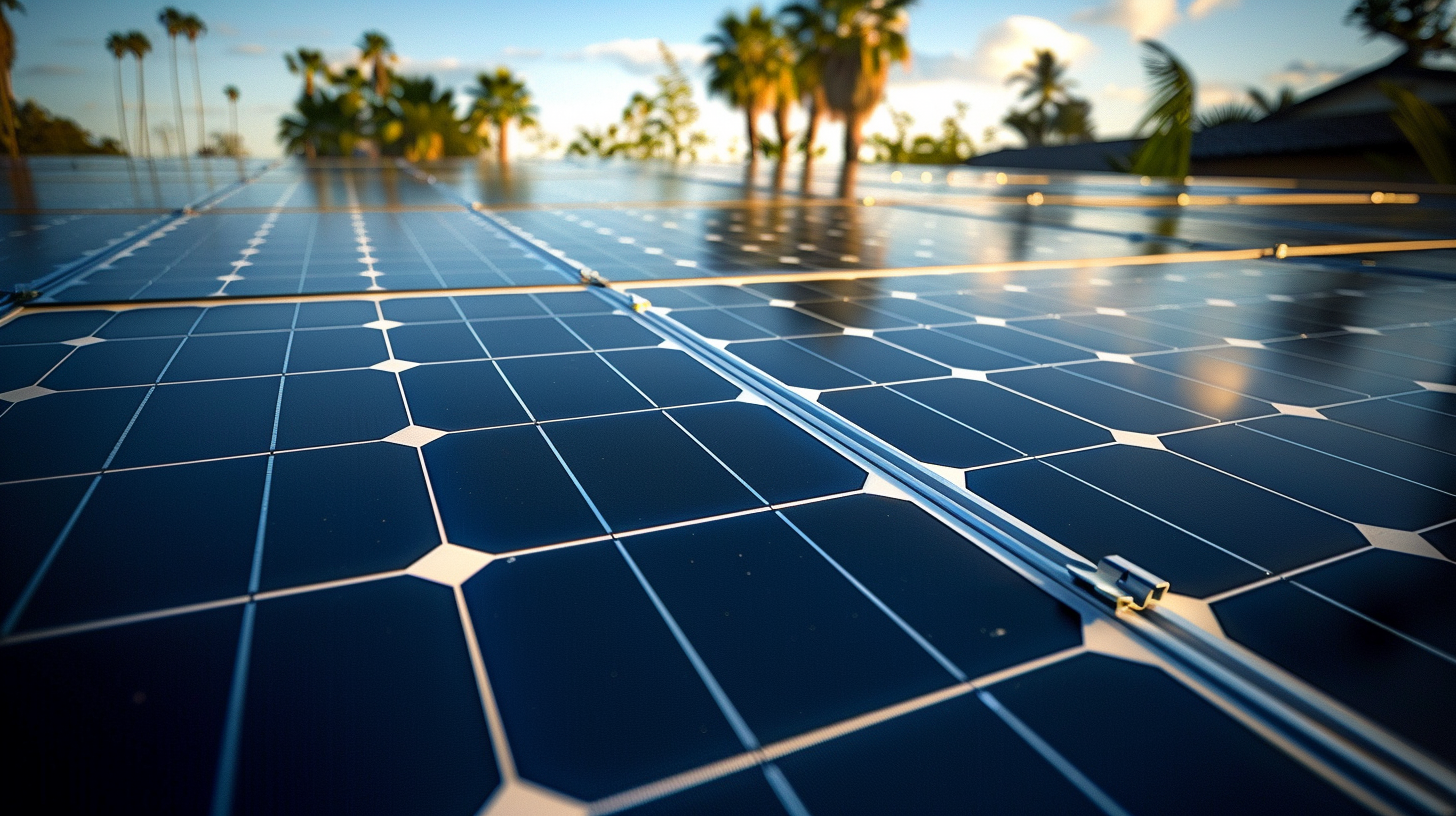
Solar system efficiency describes how effectively your solar system converts sunlight into usable electricity. It reflects how well your panels, inverters, wiring, and overall design work together to produce power for your home.
Efficiency is influenced by equipment quality, system layout, shading conditions, and temperature. The better your system performs under real-world conditions, the more value it delivers over time.
What Solar System Efficiency Means for Your Home
Why it matters
Even if two homes install systems of the same size (kW), they may not produce the same amount of electricity. Solar system efficiency explains why.
System efficiency is influenced by:
Solar panel technology and quality
Inverter conversion efficiency
Roof direction and tilt
Shading from trees or nearby buildings
Temperature performance ratings
Installation quality
All of these factors affect how much sunlight is successfully turned into electricity your home can use.
Higher efficiency means more energy production from the same amount of sunlight.
How it affects savings
Solar system efficiency directly impacts solar production (kWh), which determines how much of your utility bill can be offset.
Several factors influence overall efficiency:
Equipment selection
Roof orientation and shading results
Climate and temperature conditions
Overall system design and installation quality
Higher system efficiency can:
Increase annual energy production
Improve system output in limited roof space
Strengthen long-term savings
Improve solar return on investment (ROI)
Lower efficiency can slightly reduce production, which may impact projected bill savings. That’s why proper engineering and installation are critical.

Where it shows up in the process
Consultation: Your Energy Consultant explains how equipment and design choices affect performance.
Modeling & Engineering: Advanced software factors in shading, tilt, direction, and temperature conditions.
Proposal Review: Estimated production reflects real-world efficiency assumptions.
Monitoring: After activation, you can track system output to confirm performance.
Where You’ll See This in Your Solar Project
During system design, Soligo engineers analyze your roof layout, shading conditions, and equipment specifications to optimize solar system efficiency. Modeling tools simulate real-world sunlight exposure to generate accurate production estimates.
After installation and activation, your monitoring platform tracks solar energy production in kilowatt-hours (kWh). Over time, you can verify that your system is operating efficiently and producing as expected.
Soligo focuses on high-quality equipment, precise engineering, and professional installation to support strong solar system efficiency and reliable long-term performance.
Have questions about Solar System Efficiency? Speak with a Soligo Energy specialist today.

Start Your Soligo Solar Project
Join The Solar Revolution!
Is your roof ready for a day job? Transform your empty roof into a solar powerhouse today!
Join the Conversation
Make Your Voice Matter
Engage with us on social media and be part of the discussion that’s shaping a sustainable future. We're not just a company; we're a movement. With over a decade of industry expertise, our leadership team is committed to integrity, innovation, and global impact. Join us on this journey as we empower homes across America with the sun!
Soligo Newsletter
Subscribe For Breaking Solar News
Get updated about the most recent
updates for your solar system.
Headquarter
6752 Curtis Street
Azalea Park, FL 32807
Contact
Review Us
Follow Us


© Copyright 2026. PJWD Energy LLC DBA Soligo. All rights reserved.
Licenses: CGC1540005 | EC13012687 | CCC1334189
© Copyright 2026. PJWD Energy LLC DBA Soligo. All rights reserved.
Licenses: CGC1540005 | EC13012687 | CCC1334189 | CAC1823002