Call or Text Us Today:



Blog
Our Mission
Shines Through Our Stories
Your go-to source for inspiration, information, and innovation in the world of solar solutions.
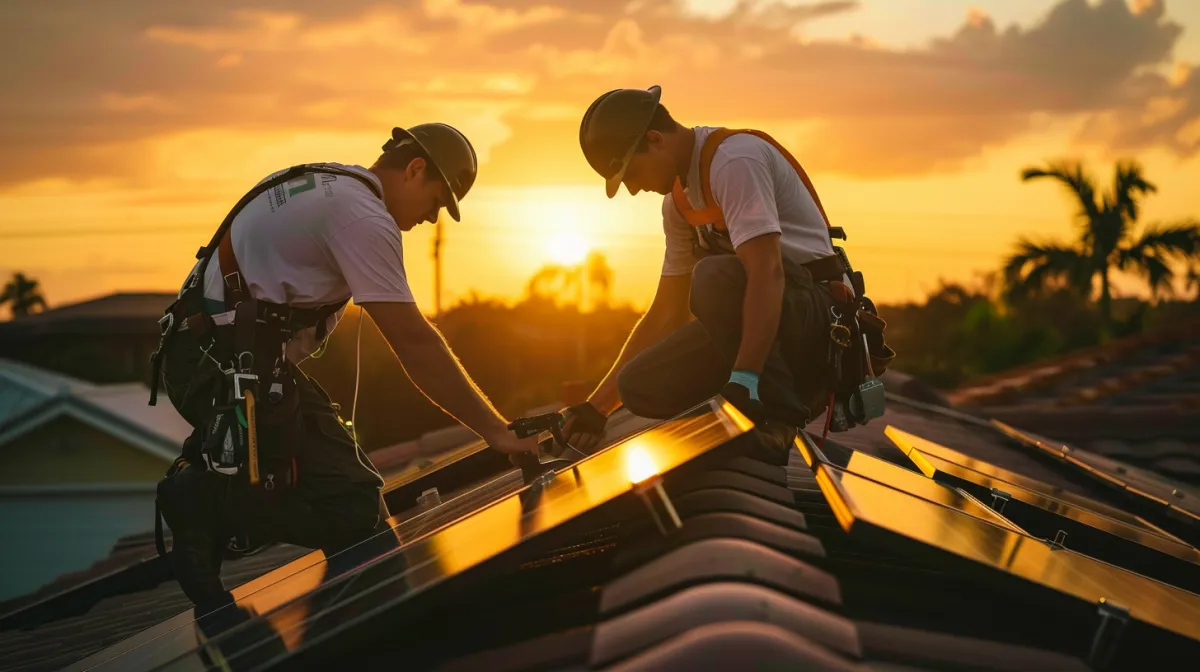
Solar Installation
Solar installation is the full process of installing solar equipment on your home. It includes system design, permitting, panel mounting, electrical work, inspections, and final utility approval — often called Permission to Operate (PTO).
It’s more than just putting panels on a roof. It’s a structured, multi-step process that ensures your system is safe, compliant, and built to perform long-term.
What Solar Installation Means for Your Home
Why it matters
A proper solar installation ensures your system is engineered correctly and meets all local building and electrical codes.
The installation process typically includes:
System design and engineering
Permit submission and approval
Mounting solar panels on your roof or ground system
Installing inverter(s) and electrical equipment
Electrical panel integration
City or county inspection
Utility interconnection approval (PTO)
Each step plays a role in protecting safety, performance, and long-term durability.
How it affects savings
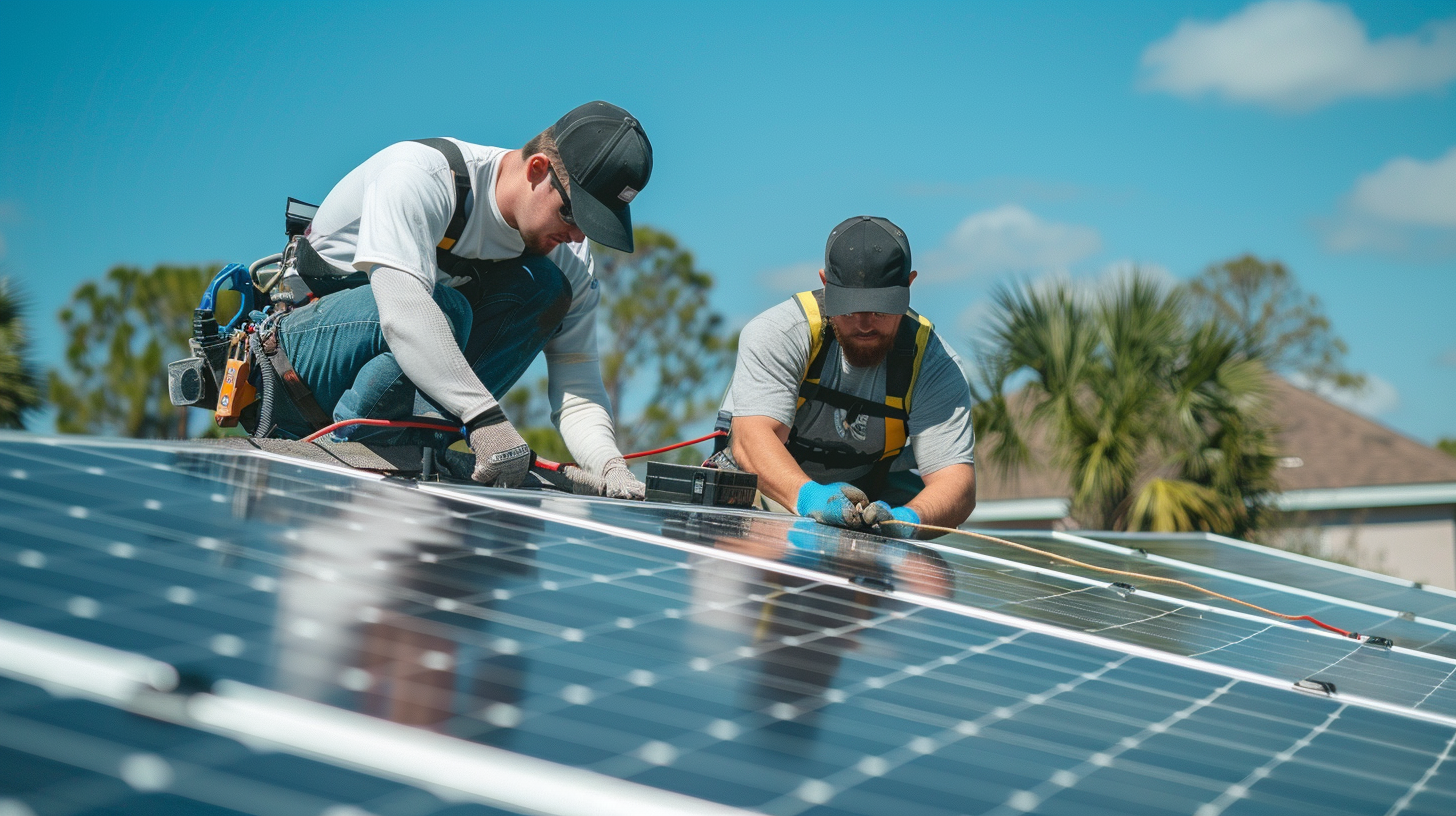
The quality of your solar installation directly impacts system performance and long-term savings.
Several factors influence the outcome:
Accuracy of the system design
Proper panel placement and orientation
Clean electrical connections
Code-compliant installation practices
Successful inspection and utility approval
A well-installed system can:
Maximize annual solar energy production
Protect system efficiency
Prevent unnecessary service issues
Support stronger long-term ROI
Poor installation can reduce output, cause delays, or lead to inspection failures. That’s why professional installation standards matter.

Where it shows up in the process
Consultation & Design: Your system is engineered based on roof layout, shading, and energy usage.
Permitting: Plans are submitted to local authorities for approval.
Installation Day(s): Panels are mounted, wiring is completed, and equipment is installed.
Inspection & PTO: The system is inspected and approved by the city and utility before activation.
Where You’ll See This in Your Solar Project
After your agreement and Notice To Proceed (NTP), Soligo coordinates scheduling, materials, and installation crews. On installation day, trained professionals mount panels, secure racking, connect inverter(s), and integrate the system with your electrical panel.
Once installation is complete, the project moves to inspection and utility review. After receiving Permission to Operate (PTO), your system is officially activated and begins generating electricity.
Soligo manages the full installation process — from engineering to activation — to ensure safe, professional, and code-compliant solar installation.
Have questions about Solar Installation? Speak with a Soligo Energy specialist today.

Start Your Soligo Solar Project
Join The Solar Revolution!
Is your roof ready for a day job? Transform your empty roof into a solar powerhouse today!
Join the Conversation
Make Your Voice Matter
Engage with us on social media and be part of the discussion that’s shaping a sustainable future. We're not just a company; we're a movement. With over a decade of industry expertise, our leadership team is committed to integrity, innovation, and global impact. Join us on this journey as we empower homes across America with the sun!
Soligo Newsletter
Subscribe For Breaking Solar News
Get updated about the most recent
updates for your solar system.
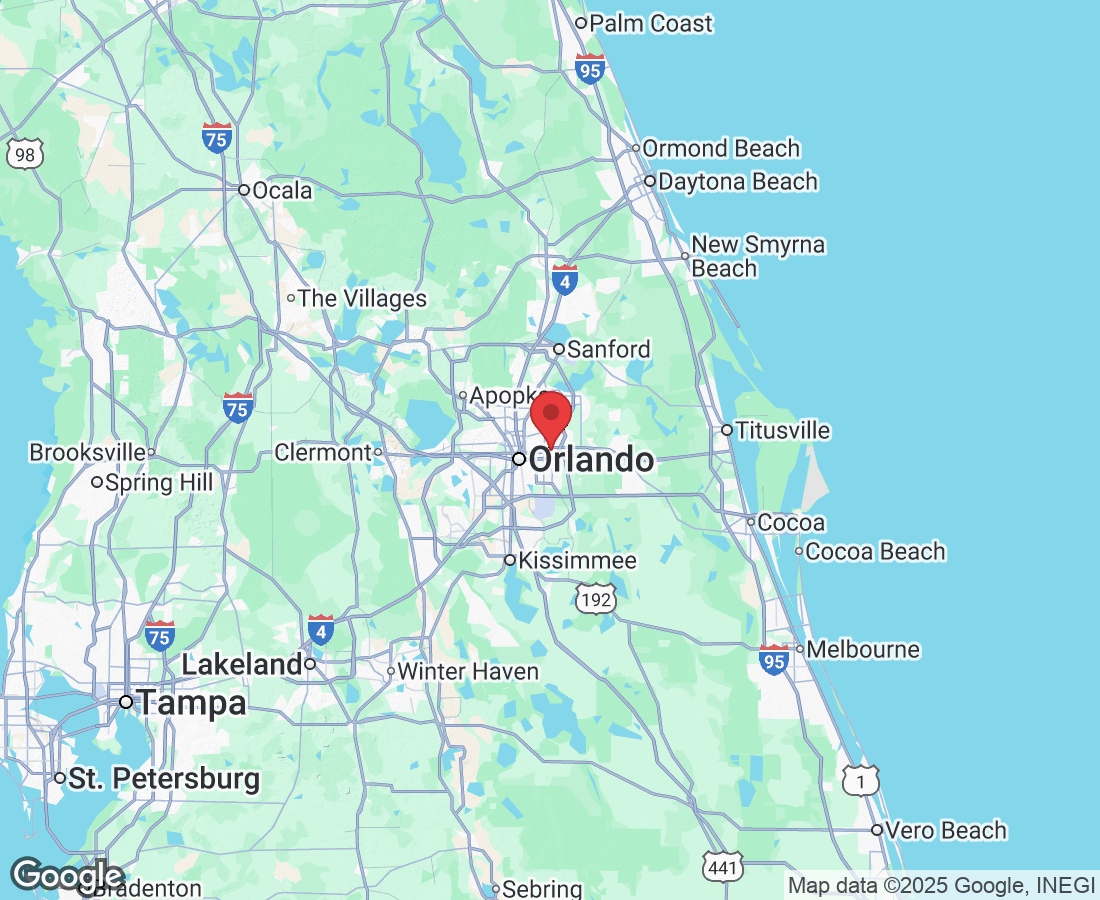
Headquarter
6752 Curtis Street
Azalea Park, FL 32807
Contact
Review Us
Follow Us



© Copyright 2026. PJWD Energy LLC DBA Soligo. All rights reserved.
Licenses: CGC1540005 | EC13012687 | CCC1334189
© Copyright 2026. PJWD Energy LLC DBA Soligo. All rights reserved.
Licenses: CGC1540005 | EC13012687 | CCC1334189 | CAC1823002